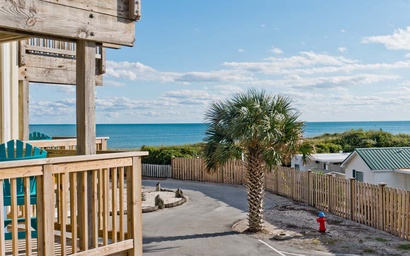


Learn how to price your Crystal Coast vacation rental more strategically with expert-backed tips on occupancy, dynamic pricing, booking windows, seasonality, reviews, and revenue optimization.
Crystal Coast Cacation Rental Pricing Strategy
Pricing a vacation rental on North Carolina’s Crystal Coast is no longer something you set once and revisit months later.
The market moves too quickly. Guests compare dozens of listings in minutes, competitors constantly adjust rates, and demand shifts fast around weather, festivals, fishing tournaments, holidays, and school schedules.
Yet many owners still rely on static pricing. They choose a rate based on instinct, nearby listings, or last year’s numbers, then hope bookings follow naturally.
Usually, that leads to one of two problems: either the property books too quickly and leaves money on the table, or it sits too long and requires discounts later.
The highest-performing rentals take an approach to pricing much like hotels do: adjusting rates strategically based on booking pace, occupancy, timing, and demand patterns. The goal is not simply to fill the calendar; it is to maximize revenue every day.
About Us
At Bluewater, we help vacation rental owners across Emerald Isle, Atlantic Beach, and the Crystal Coast maximize their properties’ potential. With nearly 30 years of experience, our team works closely with homeowners to simplify operations, improve occupancy, and help drive stronger year-round returns.
Through our blog, we share practical insights, photography tips, and revenue strategies tailored specifically to vacation rental owners along coastal North Carolina.
Today, we enlisted one of our vacation rental revenue experts to share the pricing rules and revenue-management tactics they use to help Crystal Coast rentals perform more competitively.
Let’s jump into these pricing rules.
TLDR
A quick cheat sheet before we dive in:
- Stop using fixed pricing.
- Watch your booking pace constantly.
- Aim for roughly 65-75% occupancy.
- If you’re booking too early, your rates are probably too low.
- Build a proper comp set.
- Raise rates aggressively around events and holidays.
- Fill orphan nights strategically.
- Protect your reviews obsessively.
- Amenities directly influence pricing power.
- Repeat guests are one of your best revenue tools.

1. Stop Treating Pricing Like a One-Time Decision
The biggest pricing mistake I see on the Crystal Coast is owners treating pricing as static. They upload rates at the beginning of the year and rarely revisit them afterward.
However, the “set it and forget it” pricing routinely leaves money on the table. After all, demand shifts constantly now, especially in beach markets where weather, local events, and travel patterns can dramatically influence booking behavior week to week.
The strongest operators adjust rates continuously based on:
- local demand
- occupancy pace
- booking timing
- seasonality
- competitor behavior
- event-driven spikes
This does not mean randomly changing prices every morning. It means building a system where pricing responds intelligently to what the market is signaling.
Remeber
A vacation rental today behaves far more like a hotel room or airline seat than a traditional long-term rental. The value changes constantly depending on timing and demand.
Why this rule matters
Dynamic pricing helps capture high-demand revenue opportunities while avoiding unnecessary vacancy gaps during slower periods.
2. Stop Chasing a Completely Full Calendar
One of the most counterintuitive truths in revenue management is that 100% occupancy is not always the goal.
In fact, being fully booked too early often means your rates are too low.
Professional vacation rental managers typically aim for roughly 65-75% occupancy over the upcoming 30 days. That range creates flexibility to secure stronger nightly rates while still maintaining healthy booking momentum.
Many experienced operators intentionally price their rentals roughly 10% above competitors while maintaining occupancy around 70-80%. The logic behind this strategy is important. Higher nightly rates often attract guests who:
- plan further ahead
- value the property more
- create less wear and tear
- are less price-sensitive
Remeber
The goal is not simply filling nights. The goal is maximizing the value of each night booked.
Why this rule matters
Revenue growth often comes from improving nightly averages strategically - not simply maximizing occupancy at any cost.

3. Learn to Read Your Booking Window
Your booking window is one of the clearest pricing indicators available.
For most beach rentals, guests tend to book roughly three to four weeks ahead. Larger homes often book farther out because group trips require more planning.
This creates extremely useful signals.
If your peak summer weeks are disappearing months earlier than expected, the market is telling you something very important: your pricing is probably too conservative. Guests perceive your rental as a strong value and rush to secure dates before prices rise.
On the other hand, if important weeks remain open too close to arrival, you may need tactical adjustments to regain momentum.
Pay close attention to:
- when inquiries suddenly increase
- how quickly weekends disappear
- when larger homes begin booking
- which weeks create the strongest urgency
- where guests hesitate
Remeber
Your booking pace should constantly shape your pricing decisions. Many owners only react after occupancy problems appear. By then, they are already behind the market.
Why this rule matters
Understanding booking pace allows you to raise rates proactively instead of reacting too late after demand has already surged.
4. Build a Proper Competitive Set
Pricing without a competitive set is basically guessing.
One of the most common mistakes owners make is comparing completely different inventory types. An outdated inland condo should not influence the pricing strategy of a renovated oceanfront home with premium amenities.
You need to compare properties that genuinely compete with yours.
I usually recommend tracking roughly 5-10 nearby rentals similar in:
- bedroom count
- location
- design quality
- amenities
- beach access
- occupancy size
- outdoor spaces
Then monitor them consistently throughout the year.
You are not simply looking at pricing. You are studying:
- how quickly they book
- when they discount
- how aggressively they raise rates
- what amenities they emphasize
- how their reviews compare
- what kinds of photos they lead with
Remeber
Creating a competitive set results in much better market awareness and prevents emotional pricing decisions.
Why this rule matters
A strong comp set helps you price confidently without undercutting yourself or overestimating your market position.
5. Seasonality Should Reshape Your Entire Strategy
The Crystal Coast has a very clear seasonal rhythm, and your pricing strategy should respond accordingly.
Summer is your premium season. Demand surges naturally, families are tied to school schedules, and travelers become less price-sensitive. This is the moment to price aggressively and maximize revenue opportunities.
Shoulder season requires a different approach. Months like April, May, August, and September often still perform strongly, but guest behavior changes slightly. Travelers become more flexible and begin comparing value more carefully.
Winter is another completely different environment altogether. Trying to maintain peak-summer pricing during slower months usually leads to unnecessary vacancies.
Off-season pricing should instead focus on attracting:
- snowbirds
- remote workers
- long-term stays
- flexible travelers
- off-season couples trips
Remeber
Tiered pricing also matters enormously within summer itself. The strongest weeks should command the highest premiums, while edge-season weeks may require softer pricing to maintain booking momentum.
Why this rule matters
Seasonal pricing helps maximize peak demand while still keeping occupancy healthy during slower periods.

6. Holidays and Events Should Trigger Aggressive Rate Adjustments
Many owners still underestimate how much local events influence pricing potential.
Fishing tournaments, concerts, festivals, holiday weekends, and summer events can create dramatic short-term demand spikes throughout the Crystal Coast. Standard pricing often fails to capture that additional demand properly.
Guests become far less price-sensitive during compressed travel windows tied to:
- July 4th
- Memorial Day
- Labor Day
- local tournaments
- regional festivals
- major summer weekends
These periods are some of the highest-yield nights on the entire calendar.
If your rates remain mostly unchanged during those moments, you are likely underpricing significantly.
Remeber
The strongest operators monitor local calendars constantly because temporary demand spikes can dramatically influence revenue performance.
Why this rule matters
Event-driven pricing captures premium revenue opportunities that static seasonal pricing completely misses.
7. Small Pricing Tweaks Add Up Faster Than You Think
One of the biggest misconceptions in revenue management is believing pricing changes need to be dramatic to matter.
In reality, small adjustments often create the biggest long-term impact. The source material specifically notes that tweaks of just 5-10% can significantly alter annual revenue performance.
This is especially true in beach markets where occupancy shifts quickly. Because average stays are relatively short, even one additional booking can substantially affect monthly performance.
Some of the highest-impact tactical adjustments include:
- softer weekday pricing
- filling orphan nights
- adjusting edge-season weeks
- using last-minute discounts selectively
- pricing late-August differently from peak July
Remeber
The owners who outperform the market usually are not making huge changes. They are simply making smarter small ones consistently. Individually, these adjustments may seem minor. Across an entire year, however, they compound dramatically.
Why this rule matters
Small pricing optimizations compound throughout the year and can dramatically improve annual revenue totals.
8. Amenities Directly Influence Pricing Power
Revenue management is not only about numbers. It is also about perceived value.
Your pricing flexibility depends heavily on what guests believe they are getting in return.
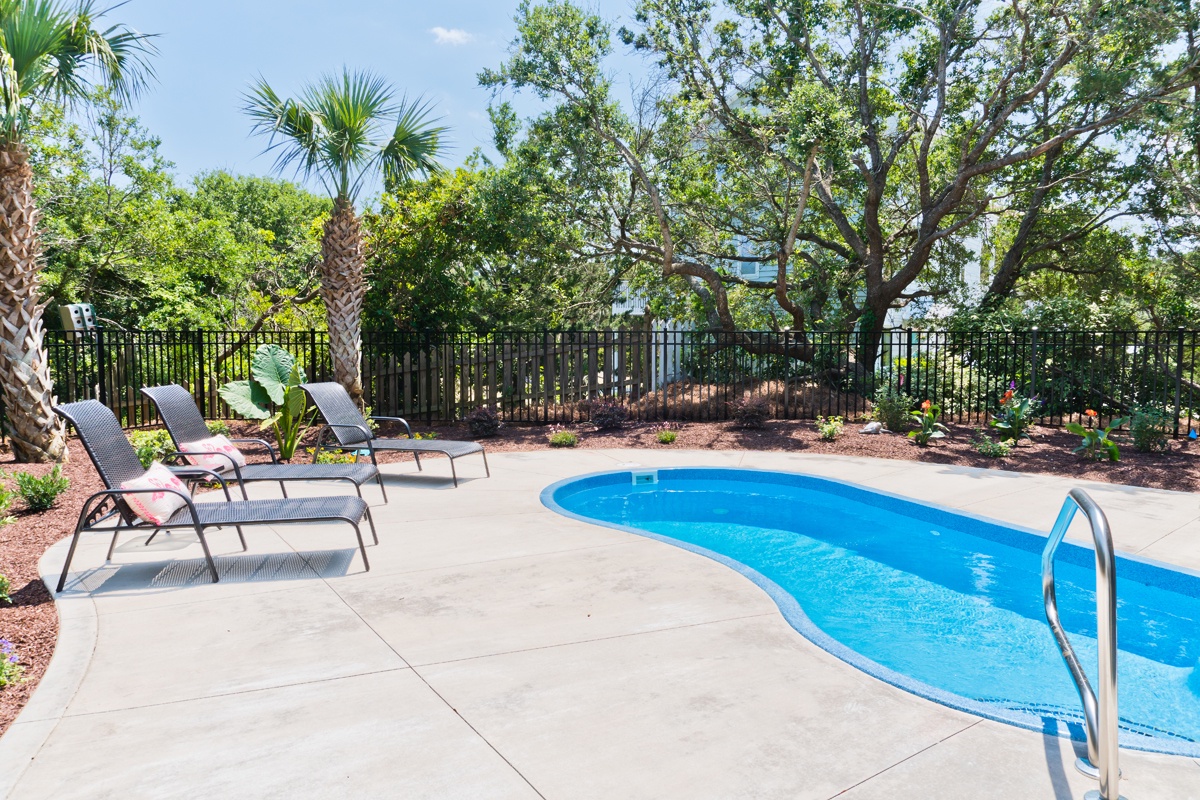
Strong amenities immediately strengthen pricing power because they shape first impressions before guests even read the description. On platforms like Airbnb and VRBO, travelers increasingly make decisions visually and emotionally first.
Properties with standout amenities often justify noticeably higher nightly rates because the premium feels obvious immediately.
High-performing amenities often include:
- pools
- hot tubs
- beach gear
- outdoor dining spaces
- upgraded kitchens
- strong patio areas
- visually memorable interiors
Remeber
Guests do not only compare square footage anymore. They compare atmosphere, lifestyle, and visual appeal.
Why this rule matters
Higher perceived value allows you to maintain premium pricing more confidently without constantly relying on discounts.
9. Your Reviews Directly Affect Revenue
Strong reviews are one of the biggest pricing advantages a rental can have.
According to the source material, listings that fall below a 4.7-star rating may experience roughly a 9% decline in booking revenue.
That decline usually creates a dangerous cycle. Once reviews weaken:
- conversion rates drop
- owners begin discounting more aggressively
- lower pricing attracts more difficult guests
- operational stress increases further
Remeber
Great reviews allow confident pricing. Poor reviews force defensive pricing.
That distinction matters enormously in highly competitive beach markets where guests have endless alternatives available instantly.
Pricing alone cannot compensate for a weak guest experience.
Why this rule matters
Strong reviews protect your pricing power and reduce the pressure to compete through discounts alone.
10. Repeat Guests Are One of the Smartest Revenue Strategies Available
Many owners focus so heavily on acquiring new guests that they underestimate the value of returning ones.
Repeat guests create stability. They reduce uncertainty. They lower acquisition costs. And they often book earlier than first-time visitors.
One of the smartest strategies I recommend is rewarding trusted returning guests with:
- loyalty pricing
- priority booking access
- early calendar availability
- small repeat-stay incentives
Remeber
Sometimes maintaining a previous season’s rate for a reliable returning family is financially smarter than gambling on uncertain future demand.
Repeat guests also help establish early booking momentum before peak season even begins, which strengthens pricing confidence later.
Why this rule matters
Repeat guests create more predictable revenue while reducing marketing pressure and booking uncertainty.

Ready to take your vacation rental to its full potential?
With nearly 30 years of experience, a dedicated local team, and data-driven management strategies, Bluewater helps homeowners across Emerald Isle, Atlantic Beach, and the Crystal Coast maximize bookings, improve guest experiences, and simplify day-to-day property management.
Curious what your property could earn? Request a free rental projection and discover your home’s earning potential with no obligation.