A short boat ride leads to one of the most unusual sights on the North Carolina coast: wild horses roaming freely across dunes, marshes, and empty beaches. In this guide, you'll learn about their history, how and where to see them, tips for observing them respectfully, and more.
Watching wild horses roam free across a windswept barrier island is not something you can see everywhere. If you head to the North Carolina coast, Shackleford Banks is one place where you can admire these captivating creatures in all their splendour.
This remote stretch of sand within Cape Lookout National Seashore is home to one of America's most fascinating wild horse populations.
Known as Banker Horses, these animals have survived here for centuries without human assistance, adapting to an environment that would challenge most domestic horses.
On a visit to the Crystal Coast, you should definitely add to your bucket list a little adventure where you can see the horses and, at the same time, admire the beautiful surroundings they call home. I'll help you with that in this guide, highlighting the history of the horses, how and where to see them, along with a few tips to make the most of the experience.
A quick hello from our side of the coast:
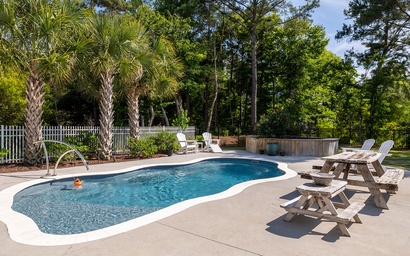
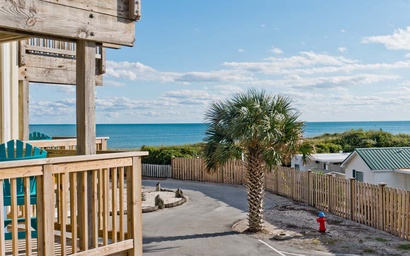
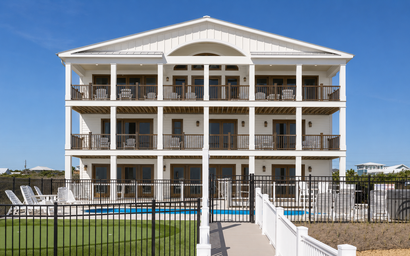
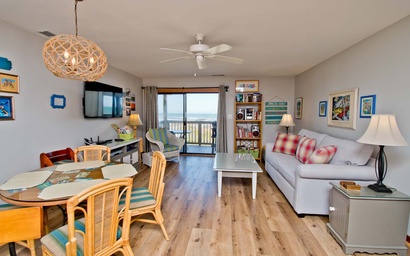
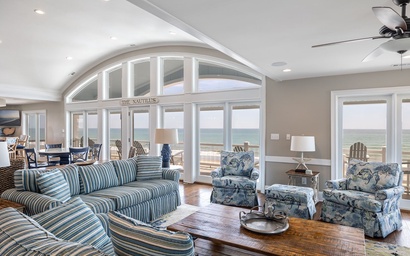
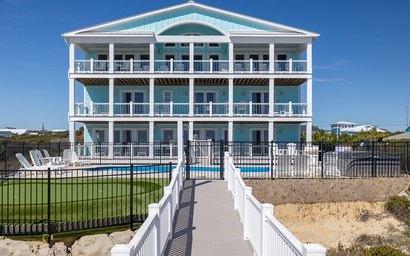
At Bluewater, we help travelers experience the Crystal Coast through a wide variety of thoughtfully managed vacation rentals, from luxury beach homes and waterfront cottages to pet-friendly stays, stylish condos, and larger event-friendly properties for reunions and celebrations.
Need some local recommendations while planning the trip? Our blog is packed with Crystal Coast tips covering everything from the best restaurants in Beaufort and top fall activities to fishing tips and monthly guides.
Now, let's meet the island's most famous residents.
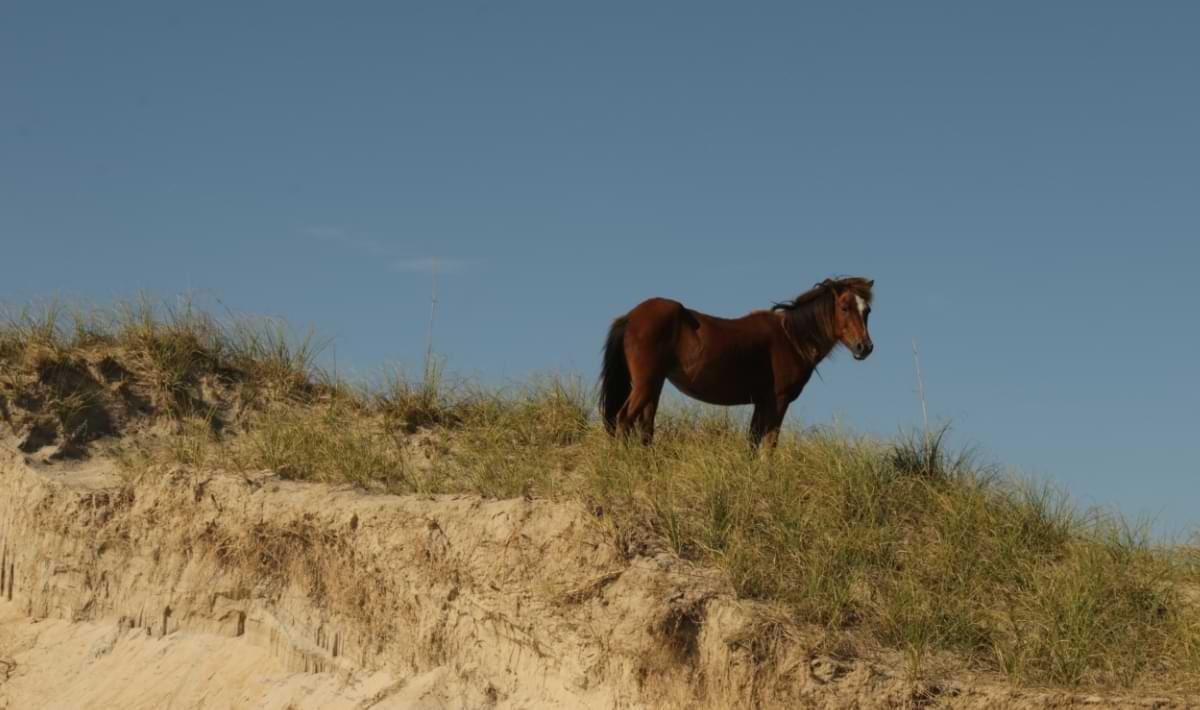
The Wild Horses of Shackleford Banks
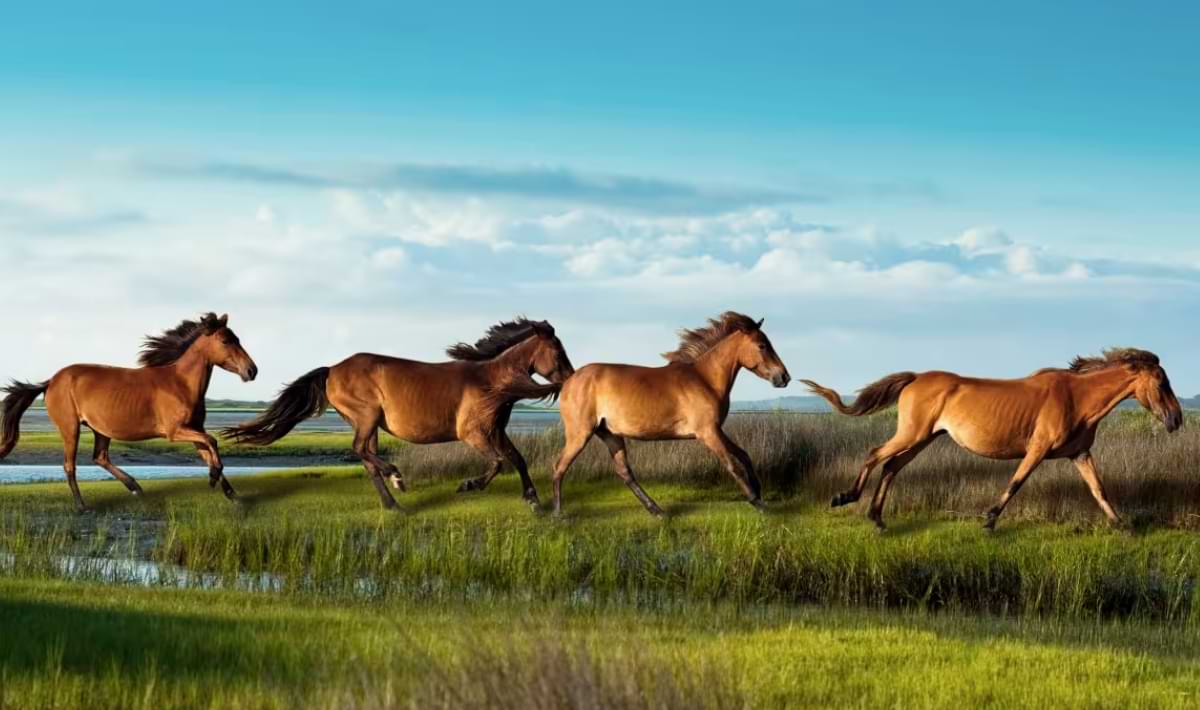
The horses of Shackleford Banks are not escaped farm animals or managed pasture horses. They are truly wild.
The herd typically numbers between 110 and 130 animals and has lived on the island for generations. Unlike horses found in many parks and preserves, these animals receive no food, water, shelter, or veterinary care from humans. Everything they need comes from the island itself.
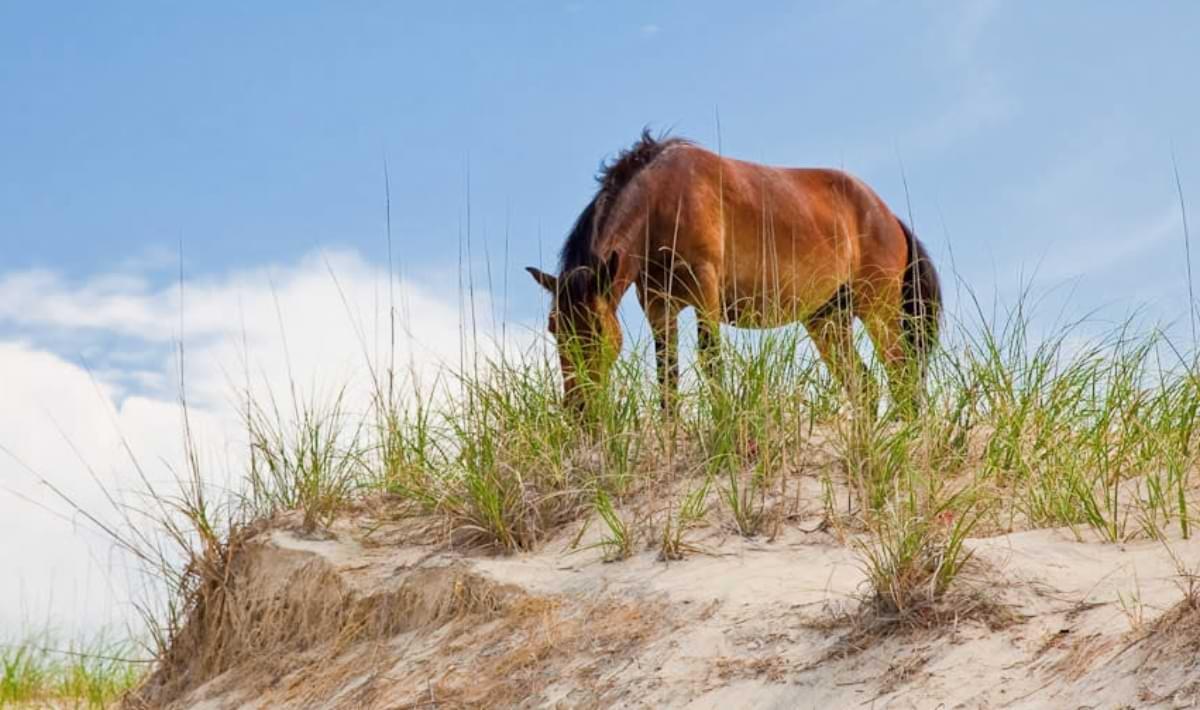
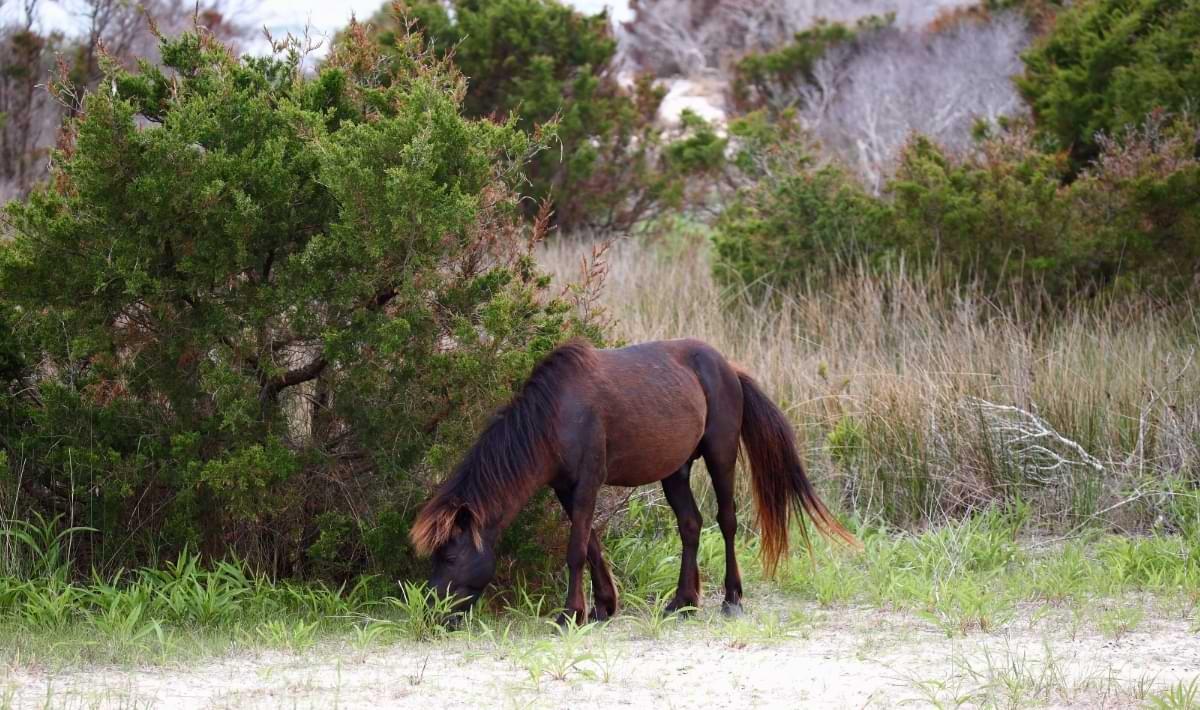
Over hundreds of years, they have adapted to life on a harsh barrier island surrounded by saltwater. They graze on native grasses such as sea oats and smooth cordgrass, dig through the sand to reach fresh groundwater, and withstand everything from hurricanes to winter storms.
Physically, they look different from many modern horse breeds. Most stand between 13 and 14 hands high and have stocky builds, strong bones, broad foreheads, and shaggy manes. Their smaller size helps them survive in an environment where food resources can be limited.
The sight of wild horses moving through dunes, marshes, and maritime forests transports visitors to another era.
Where Did the Horses Come From?
The exact origin of the horses is one of the island's greatest mysteries.
The most famous theory suggests they descended from Spanish horses that survived shipwrecks off the Carolina coast during the 1500s. Historical records document several Spanish vessels wrecking in the region, many of which transported livestock.
Another possibility is that early explorers left horses behind when colonial settlements failed. Historians have linked the herd to expeditions led by Lucas Vasques de Ayllon in the 1520s and Sir Richard Grenville in the 1580s.
While historians continue debating the details, modern science has revealed something important: the horses do have Spanish roots.
DNA testing confirmed that the herd descends from Colonial Spanish horses and carries an exceptionally rare genetic marker known as Q-ac. This ancient blood variant appears in only a handful of isolated horse populations worldwide and helps explain why the Shackleford herd is considered so significant.
In other words, these horses are not only beautiful. They are living pieces of history.
How to Get to Shackleford Banks
Getting to Shackleford Banks requires a bit of planning since you can't drive there. The island is completely undeveloped. There are no roads, bridges, hotels, restaurants, or shops. Reaching it requires crossing the water.
Most visitors use the Island Express Ferry Service, the only National Park Service-authorized ferry that drops passengers directly on the island. Ferries depart from Beaufort and Harkers Island and typically take between 15 and 25 minutes to reach Shackleford Banks.
Have your own boat? Private vessels can anchor off the island, and some visitors opt to kayak across instead. However, the combination of strong currents and heavy maritime traffic means this is not a route for beginners.
The Best Ways to See the Horses
Because the horses roam throughout all nine miles of Shackleford Banks, sightings are very common. Most of the time, seeing them simply requires getting to the island and starting to walk.
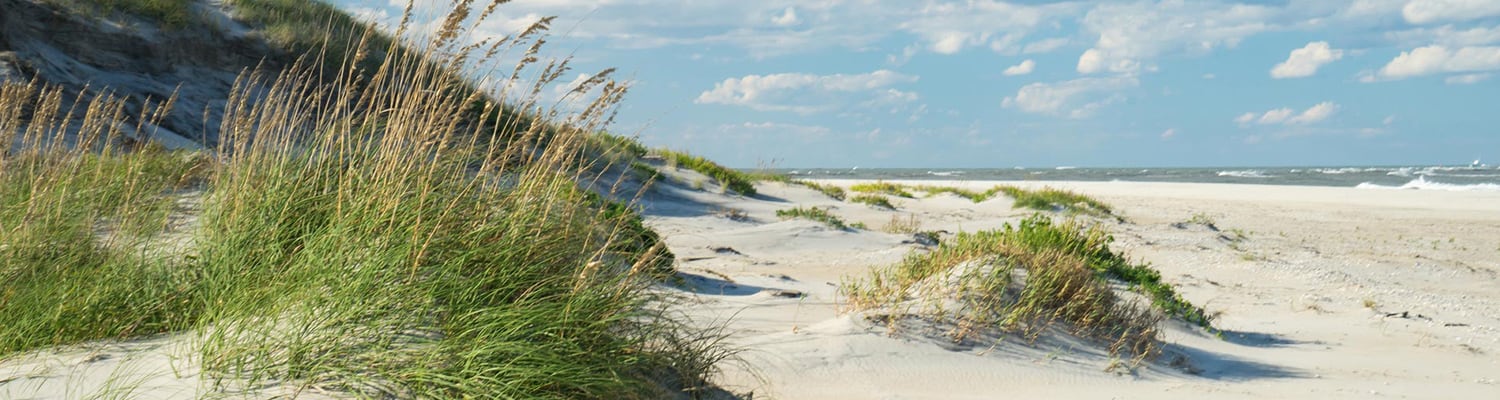
Look toward the dunes, marshes, shrub thickets, and sound-side grasslands. Horses often gather in these areas to graze, rest, or escape insects.
Looking for a more comprehensive experience? There are guided tours where you not only get to see the horses, but also learn about them and make sure you're observing these captivating creatures in a respectful way.
Wild horse safaris, ecotours, and shelling cruises are a great way to combine transportation with expert interpretation, helping you understand the horses' history, social structure, and behavior. Several operators based in Beaufort and Harkers Island offer these excursions throughout the year.
For a deeper dive, the National Park Service occasionally offers Horse Sense and Survival programs led by horse biologist Dr. Sue Stuska.
When Are You Most Likely to See Them?
Spring and fall are generally the best times to spot wild horses. May, September, and early October welcome pleasant weather and lighter crowds than peak summer, so horses are often more active.
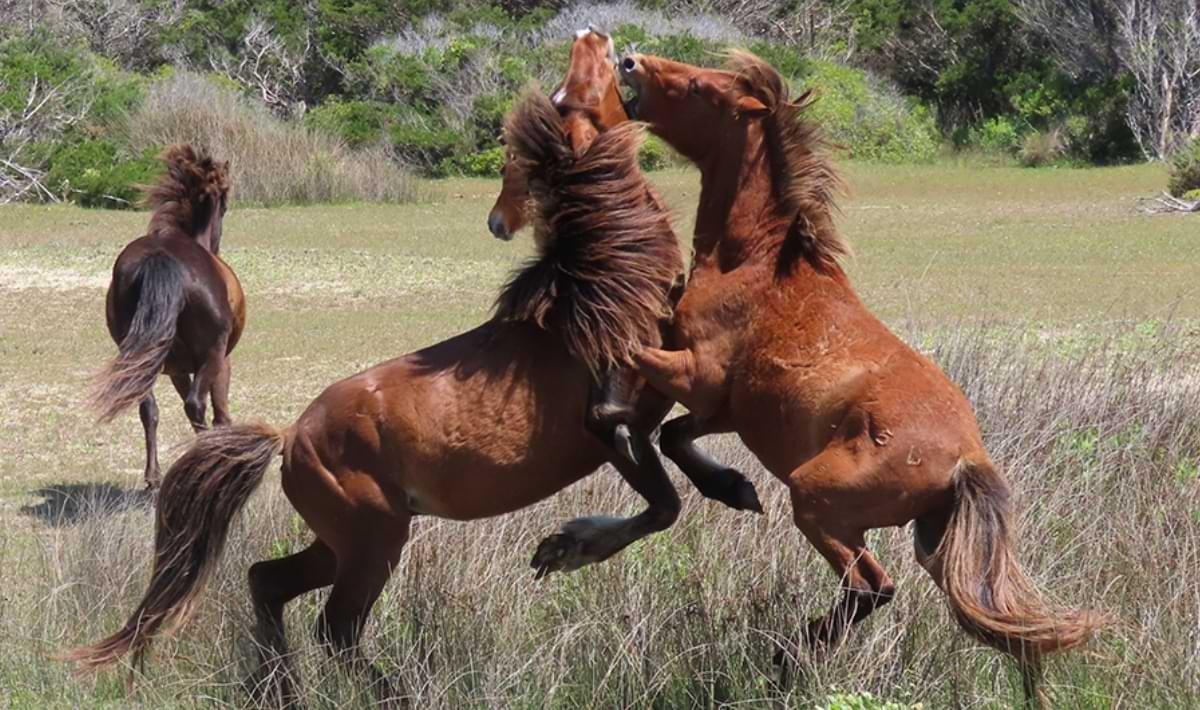
When it comes to the best time of day, bet on early morning and late afternoon for better sightings. During these cooler periods, horses spend more time grazing, socializing, and moving around the island.
Summer can also be excellent for viewing. Horses often gather near marshes, shorelines, and dune ridges where ocean breezes help keep flies away. They also visit freshwater ponds more frequently during hot weather.
Winter is a bit more challenging. Horses often retreat deeper into the dunes and maritime forests for shelter from strong coastal winds.
Tips on How to Watch the Horses Respectfully
Unlike animals in farms or petting zoos, the wild horses survive entirely on their own and can be unpredictable if they feel threatened. Following a few simple guidelines helps protect both the horses and visitors.
What to Do
- Stay at least 50 feet away from the horses at all times.
- Increase that distance to at least 150 feet when foals are present.
- Use binoculars or a zoom lens to observe and photograph the horses without disturbing them.
- Give horses the right-of-way. If one approaches, back away slowly and calmly.
- Watch their body language. If a horse stops what it's doing and stares directly at you, you're probably too close.
- Stay with your group and avoid surrounding the animals.
What Not to Do
- Never feed the horses.
- Never touch or attempt to pet them.
- Never approach foals.
- Never stand between a stallion and his mares.
- Never leave food scraps behind.
- Never ignore warning signs such as pinned-back ears, which can indicate agitation or aggression.
The Foundation Helping Protect the Herd
The horses are still here today largely because local residents fought to protect them.
In the 1990s, concerns emerged that the herd could be dramatically reduced. In response, a group of Carteret County residents formed the Foundation for Shackleford Horses.
Their efforts ultimately helped secure passage of the Shackleford Banks Wild Horses Protection Act of 1998, which legally protects the horses and guarantees their continued presence on the island.
Today, the Foundation works alongside the National Park Service to monitor the herd, maintain genetic diversity, oversee population management, support horse rescue and adoption programs, and educate the public about the horses' importance.
The organization is entirely volunteer-driven and funded through donations and grants.
Their work helps ensure future generations will continue seeing wild horses roam the dunes of Shackleford Banks.
FAQ: Planning a Visit to See the Shackleford Banks Horses
1. How many wild horses live on Shackleford Banks?
The herd typically consists of between 110 and 130 horses. To keep the population healthy and sustainable, the National Park Service and the Foundation for Shackleford Horses carefully monitor herd numbers and genetic diversity.
2. Can I camp overnight on Shackleford Banks?
Yes. Primitive camping is allowed on the island as part of Cape Lookout National Seashore. There are no designated campsites, facilities, or services, so campers must be completely self-sufficient and follow Leave No Trace principles.
3. What does the rare Q-ac genetic marker mean?
The Q-ac blood variant is an exceptionally rare genetic marker linked to Colonial Spanish horses. It has been identified in only a handful of isolated horse populations worldwide, making the Shackleford herd scientifically significant and helping confirm its Spanish ancestry.
4. Are horse sightings guaranteed?
No wildlife sighting can ever be guaranteed, but sightings on Shackleford Banks are very likely. The herd is spread across the island, and many visitors spot horses during their first walk along the dunes, marshes, or sound-side areas.
5. Can I bring a drone to photograph the horses?
Visitors should check current National Park Service regulations before flying a drone. Drone use is restricted within National Park Service lands, and disturbing wildlife with drones is prohibited.
6. How long should I plan for a visit?
A half-day trip is enough for horse viewing, beach walking, and wildlife photography. Visitors interested in shelling, birdwatching, or exploring more of the island often choose to spend a full day.
7. What other wildlife might I see while looking for the horses?
Shackleford Banks supports a wide range of coastal wildlife. Depending on the season, visitors may spot dolphins offshore, nesting shorebirds, ospreys, herons, egrets, ghost crabs, and sea turtles.
8. Can children enjoy a horse-viewing trip?
Absolutely! The ferry ride, undeveloped beaches, wildlife sightings, and sense of adventure make Shackleford Banks popular with families. Just be prepared with plenty of water, sun protection, and snacks since there are no services on the island.
9. Why don't people simply relocate the horses to safer conditions?
The horses are considered an important part of North Carolina's coastal heritage and have adapted to island life over centuries. Federal law protects the herd and recognizes its historical, cultural, and ecological significance.
10. What happens during hurricanes?
The horses remain on the island year-round. Over generations, they have developed survival strategies for severe coastal weather, often seeking shelter in maritime forests, shrub thickets, and protected low-lying areas during storms.
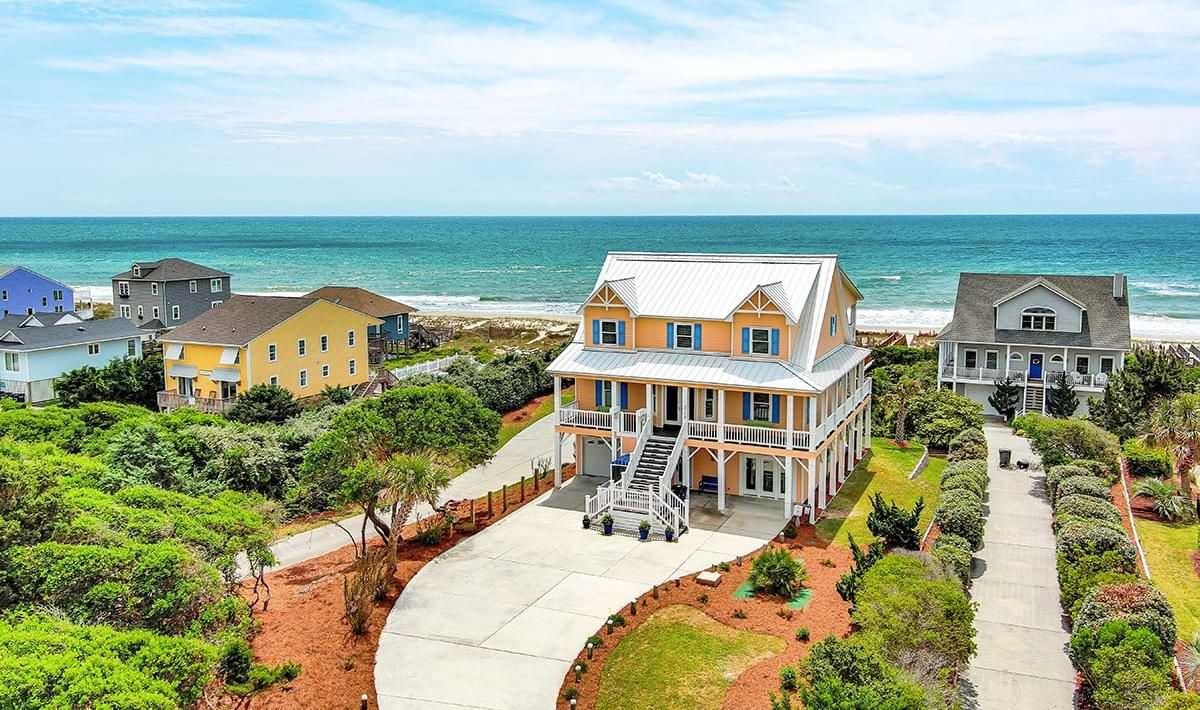
Find Your Spot on the Crystal Coast
A great Crystal Coast trip starts with the right place to stay. At Bluewater, we offer vacation rentals designed for couples, families, celebrations, friend groups, and travelers bringing their pets along for the ride. Find a getaway to experience the Crystal Coast at its finest!