Live cannon fire, pristine beaches, scenic coastal trails, and one of North Carolina's best-preserved forts make Fort Macon State Park a standout stop on the Crystal Coast.
A Visitor's Guide to Fort Macon State Park
North Carolina's most visited state park isn't famous for a waterfall, mountain summit, or dramatic overlook. Instead, Fort Macon State Park draws visitors with a rare combination of military history, coastal scenery, wildlife, and outdoor adventure.
Set on the eastern edge of Atlantic Beach, the 424-acre park offers far more than its name might suggest. At its heart sits an impeccably restored pre-Civil War fort, and surrounding it are salt marshes, maritime forests, rolling dunes, swimming beaches, and nearly five miles of trails. Add free admission and a packed calendar of demonstrations and seasonal events, and you have one of the Crystal Coast’s most rewarding day trips.
A quick hello from our side of the coast:
At Bluewater, we help travelers experience the Crystal Coast through a wide variety of thoughtfully managed vacation rentals, from luxury beach homes and waterfront cottages to pet-friendly stays, stylish condos, and larger event-friendly properties for reunions and celebrations.
Need some local recommendations while planning the trip? Our blog is packed with Crystal Coast tips covering everything from the best restaurants in Beaufort and top fall activities to fishing tips and monthly guides.
If you’re staying in Emerald Isle, Atlantic Beach, or elsewhere along the Crystal Coast of North Carolina, Fort Macon deserves a place near the top of your itinerary.
Here's why this isn't your average state park:

The Fort Is One of the Best-Preserved Military Landmarks on the Coast
The centerpiece of the park is Fort Macon itself.
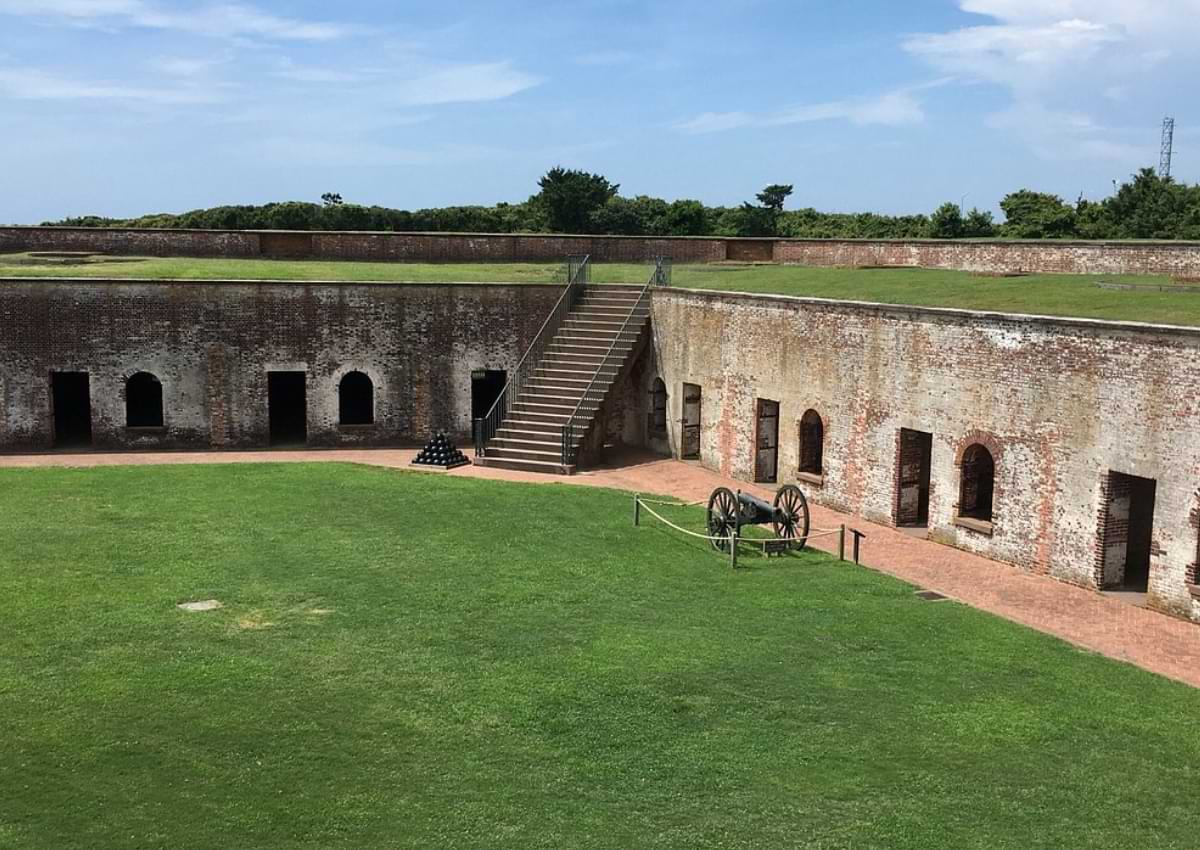
Built between 1826 and 1834 to defend Beaufort Harbor, the five-sided brick-and-stone structure remains one of the finest surviving examples of pre-Civil War military architecture in the country.
Unlike many forts of its era, it escaped destruction and today offers visitors a remarkably complete glimpse into 19th-century coastal defense systems.
The structure is impressive from the moment you approach it. Its walls measure between four and five feet thick and were designed to withstand heavy artillery fire.
Inside, visitors can explore 26 vaulted rooms along with reconstructed living quarters and museum galleries filled with uniforms, artifacts, and exhibits detailing the fort’s long history.
One of the most remarkable stories dates back to the Civil War Siege of 1862. During an 11-hour bombardment, Union artillery struck the fort nearly 600 times before it finally surrendered. Visitors can still learn about the powder magazine that nearly contributed to the fort’s destruction during the attack.
The best part? The whole experience feels less like walking through a museum and more like stepping into a preserved military installation, a place where the past feels surprisingly tangible.
Live Demonstrations Bring History to Life
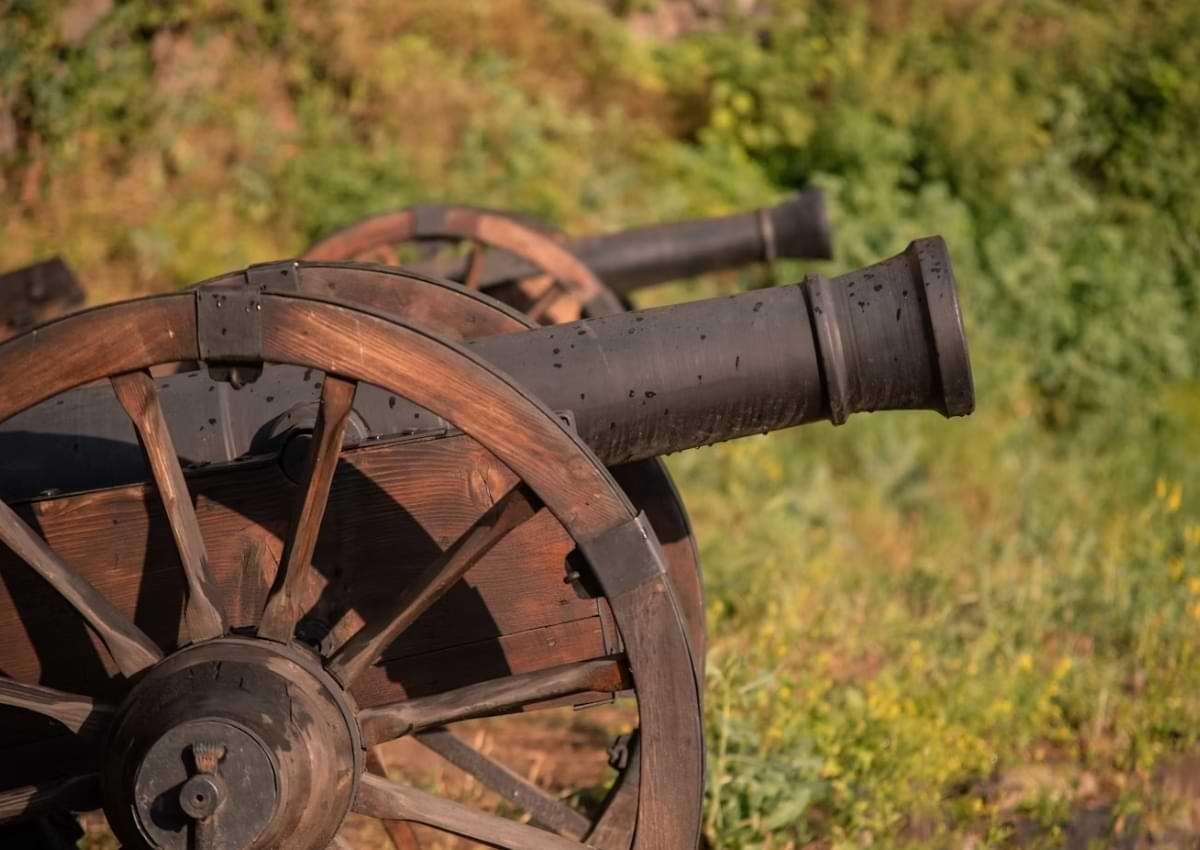
Speaking of experience, Fort Macon is particularly known for its live cannon and musket demonstrations, which recreate aspects of military life from both the Civil War and World War II eras. The booming cannon fire has become one of the park’s signature attractions and remains a highlight for many visitors.
Daily guided tours led by volunteers provide additional context and help explain how soldiers lived and worked inside the fort’s walls. Visitors who prefer to explore independently can pick up a printed guide at the visitor centre before beginning a self-guided visit.
If your timing is right, you may also encounter one of the park’s seasonal events. A cannon firing held every New Year’s Eve has become a local tradition, while summer concerts add another dimension to the visitor experience.
Beyond the Fort, a Different Side of the Crystal Coast Awaits
Many first-time visitors arrive at Fort Macon State Park expecting a history lesson and leave talking about the scenery.
The fort may be the headline attraction, but the landscapes surrounding it are equally compelling.
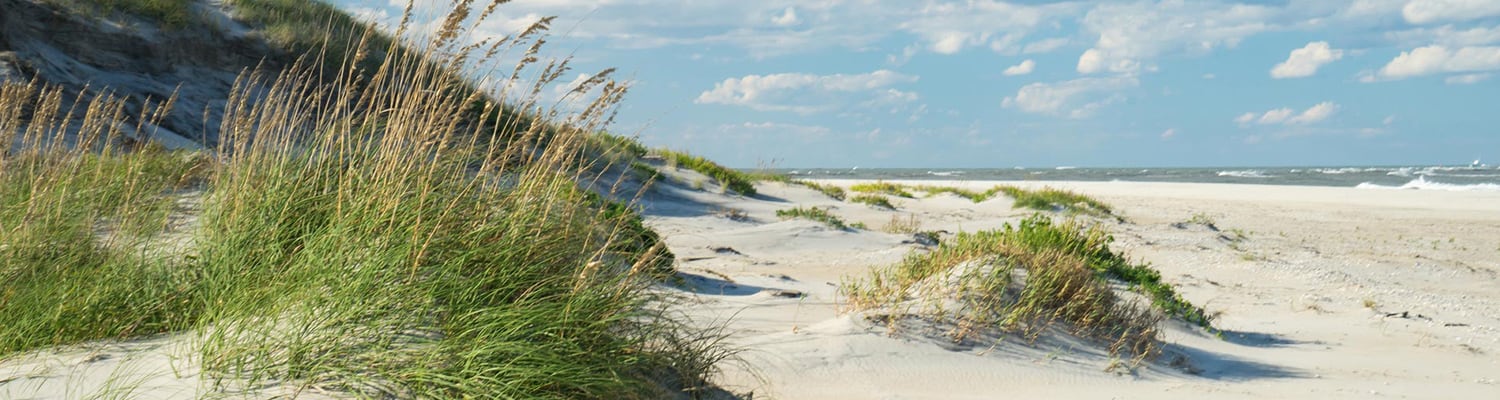
Within its 424 acres, the park protects a diverse collection of coastal habitats, including salt marshes, maritime forests, sandy beaches, and rolling dunes. The result is a surprisingly varied environment that feels removed from the more developed stretches of coastline nearby.
Into birdwatching? More than 300 bird species have been recorded within the park, making it one of the area’s most rewarding locations for wildlife observation.
Dolphin sightings add another layer of excitement. Visitors regularly report spotting dolphins playing offshore while exploring the beaches or walking along the shoreline.
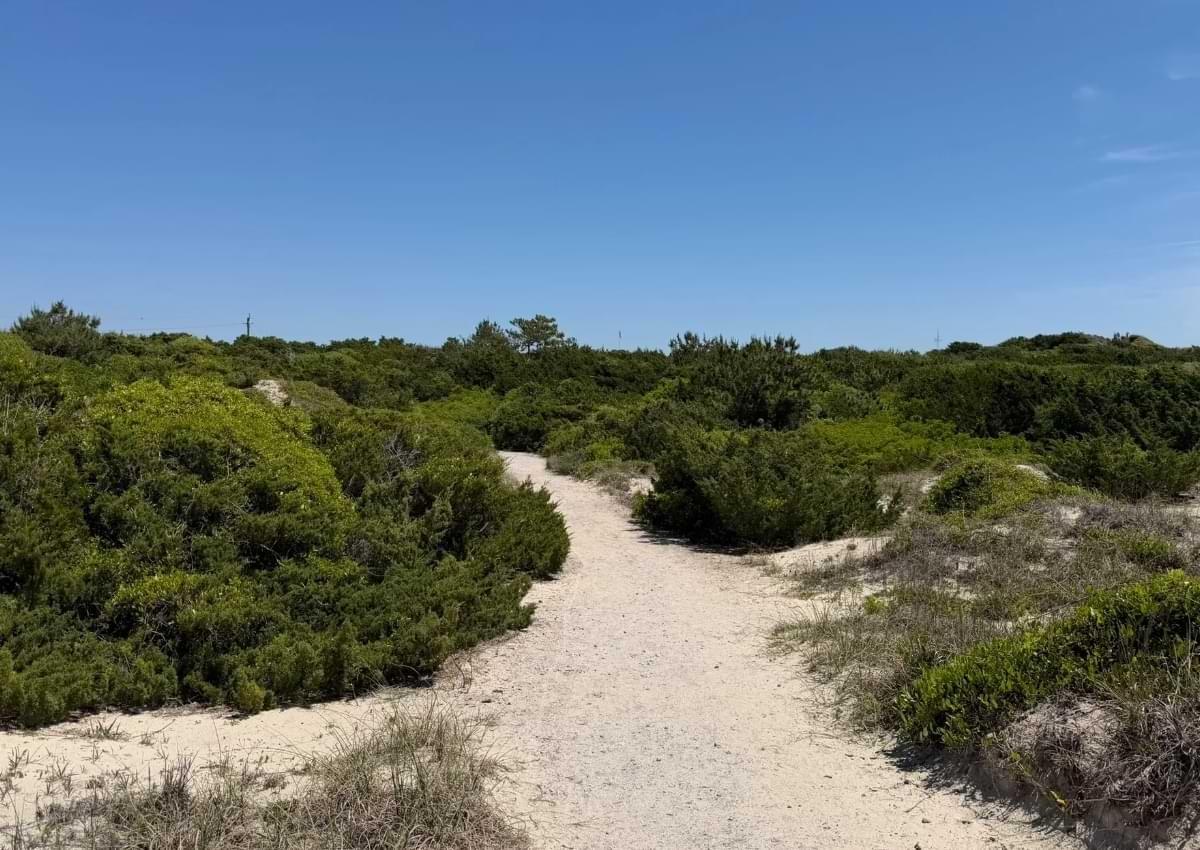
The Elliot Coues Trail Is Worth the Walk
Those looking to stretch their legs should head straight for the Elliot Coues Nature Trail.
This 3.3-mile loop is considered the park’s standout trail and showcases many of its most distinctive landscapes. The route winds through dunes, marshlands, and maritime forests, offering a constantly changing perspective on the park’s coastal environment.
Most hikers complete the trail in roughly an hour, though many choose to take longer to enjoy the scenery and wildlife along the way.
Visitors frequently praise the trail for the variety it packs into a relatively short distance. You can go from crossing open dunes to moving through shaded forest or overlooking marshland in just a few minutes.
The park also offers additional trail options, including the shorter Yarrow’s Loop Trail. While only a quarter-mile long, this lesser-known route comes with a notable reward: access to one of the park's quieter stretches of sand (Read on).

A Quieter Beach Experience
For many of the park’s visitors, the beaches become an unexpected highlight.
Fort Macon’s shoreline offers a more relaxed alternative to some of the busier beach areas found elsewhere along the coast. Swimming, beachcombing, and sunbathing are all popular activities, and many visitors appreciate the park’s less commercial atmosphere.
Those seeking an even quieter experience often head to the beach accessed via Yarrow’s Loop Trail, one of the park’s best-kept secrets. The atmosphere here is simple and unpretentious. Made of just sand, water, and open coastal views — just the beach experience you can’t find along popular coastal destinations.
Anglers Have Plenty of Options
Fishing enthusiasts have good reason to pack their gear.
Fort Macon is widely regarded as one of the Crystal Coast’s premier surf fishing destinations. Anglers can cast directly from the beach or head toward the rock jetties that extend into the ocean.
These rocky structures are among the park’s most recognizable features and provide productive fishing opportunities throughout the year.
Common catches include bluefish, pompano, and flounder.
Don’t Miss the World War II History
Although Fort Macon’s Civil War story receives most of the attention, the park’s military history extends much further.
Scattered along portions of the trail system are remnants from World War II, including a bunker and gun emplacement that once helped protect the coastline from German U-boats.
These remains add another layer to the visitor experience and demonstrate how the site continued to play a defensive role long after the Civil War ended.
For history enthusiasts, they provide an interesting complement to the fort’s older architecture and exhibits.
FAQ About Fort Macon State Park
Is Fort Macon State Park worth visiting in winter?
Absolutely. Winter offers a quieter way to experience one of North Carolina's most popular state parks. You'll encounter fewer crowds on the trails, enjoy more comfortable hiking temperatures, and have a better chance of finding parking. If you're visiting around New Year's Eve, don't miss the park's annual cannon firing, one of Fort Macon's most distinctive traditions.
What are Fort Macon Beach access hours?
Fort Macon State Park is open daily, with hours generally running from 9:00 a.m. to 5:00 p.m. or 5:30 p.m., depending on the season. The park is open year-round and only closes on Christmas Day. Admission, including beach access, is free.
Are the trails at Fort Macon State Park worth hiking?
Yes. Fort Macon features nearly five miles of trails that showcase the park's diverse landscapes, including salt marshes, maritime forests, sand dunes, and coastal shoreline. The Elliot Coues Nature Trail is the standout route, offering a scenic 3.3-mile loop through several ecosystems. For a shorter walk, Yarrow's Loop leads to a quieter stretch of beach that many visitors overlook.
What can you see at the Fort Macon Visitor Center?
The Visitor Center is an excellent first stop. Inside, you'll find exhibits covering the fort's military history, including displays of historic uniforms, artifacts, and life inside the fort across different eras. Visitors can also pick up self-guided tour materials, learn about daily guided tours, and check schedules for demonstrations and special events taking place during their visit.
Which Fort Macon trail is best for first-time visitors?
The Elliot Coues Nature Trail is often considered the park's signature hike. The moderately easy loop takes about an hour to complete and provides a broad introduction to Fort Macon's marshes, dunes, forests, wildlife, and coastal scenery.
Can you see wildlife at Fort Macon State Park?
Yes. The park is a popular destination for wildlife enthusiasts and birdwatchers. More than 300 bird species have been recorded here, and visitors occasionally spot dolphins playing offshore while exploring the beaches and trails.
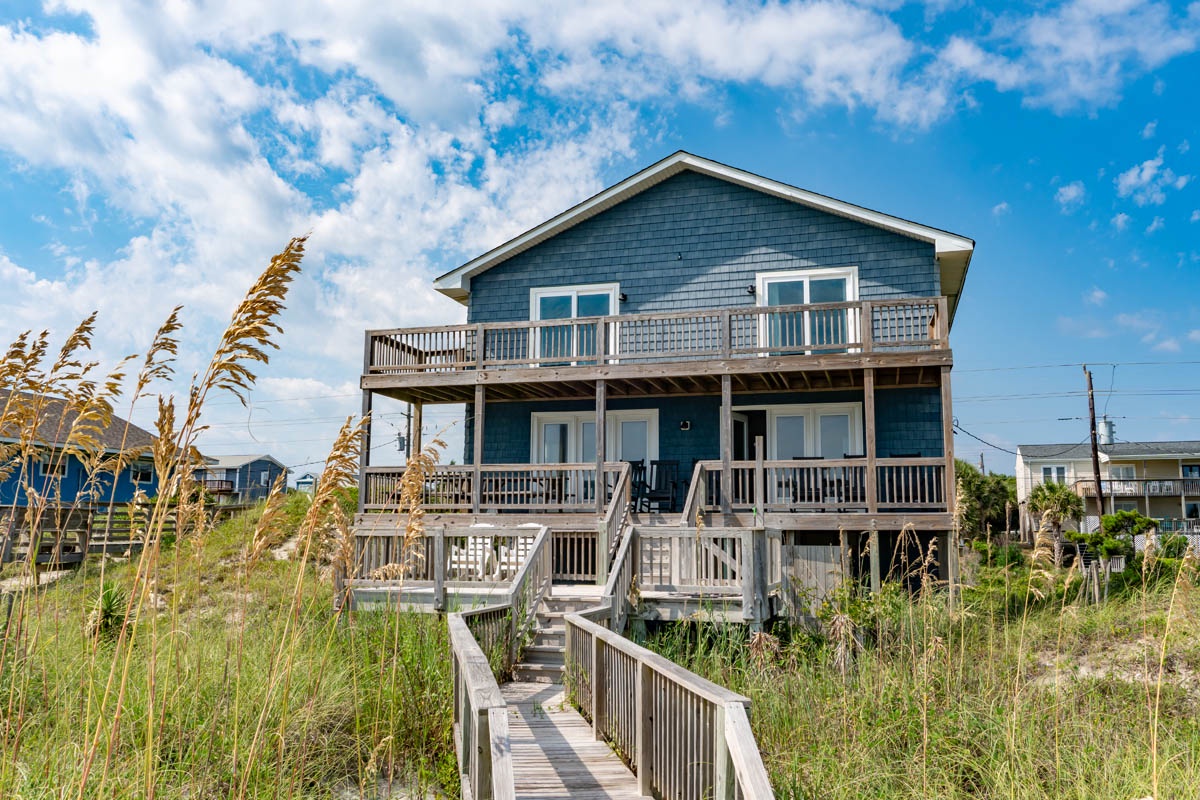
Find Your Spot on the Crystal Coast
A great Crystal Coast trip starts with the right place to stay. At
Bluewater, we offer vacation rentals designed for couples, families, celebrations, friend groups, and travelers bringing their pets along for the ride. Find a getaway to experience the Crystal Coast at its finest.